

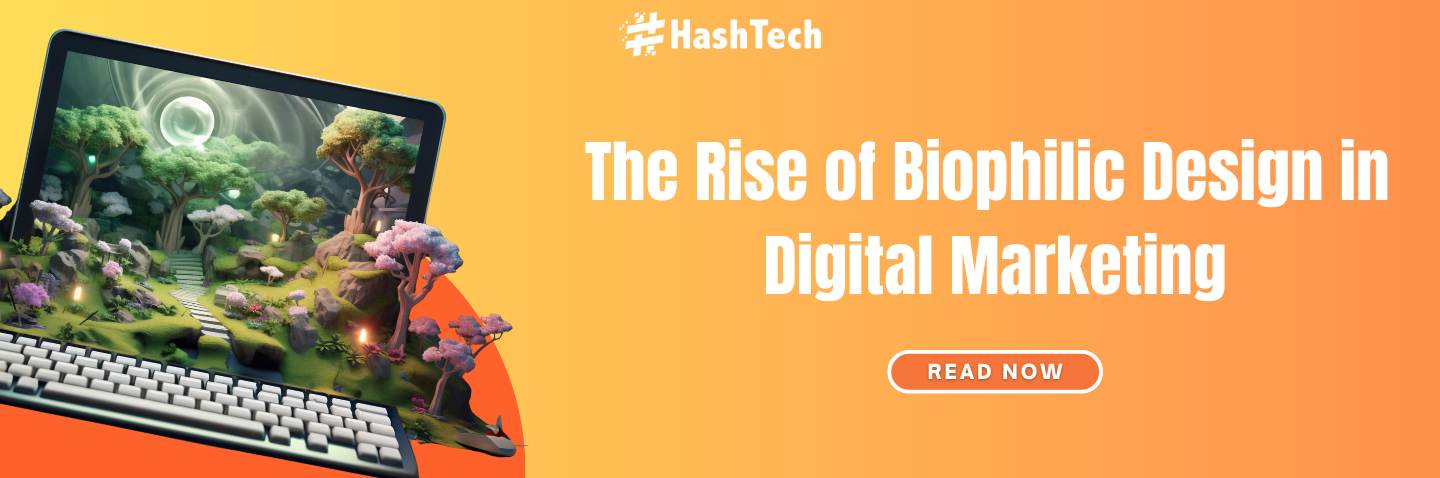
Digital marketing has focused on speed, scale, and automation for years. In the process, calm, trust, and human connection were lost. Biophilic design brings these back by creating natural and engaging experiences.
In 2026, brands are starting to realize that people are exhausted. Audiences are overwhelmed by screens, notifications, and endless scrolling. As a result, a new design philosophy is gaining serious momentum in digital marketing. It is called biophilic design.
Originally rooted in architecture and interior design, biophilic design emphasizes the integration of natural elements into human environments. What is changing now is how this philosophy is being applied to digital spaces. Websites, apps, ads, and social media are being redesigned to feel more natural, calming, and human.
This is not a trend driven by aesthetics alone. It is backed by psychology, neuroscience, and real performance data. Brands that adopt biophilic principles are seeing stronger engagement, longer session times, higher trust, and better conversion quality.
Tired of digital noise failing to convert? Hashtech specializes in biophilic design and user-focused digital marketing strategies that increase session time, reduce bounce rates, and drive measurable growth for your brand.
What Biophilic Design Really Means in a Digital Context
Biophilic design is based on a simple idea. Humans have an innate connection to nature. When environments reflect natural patterns, materials, and rhythms, people feel more comfortable and focused.
In physical spaces, this might mean natural light, plants, water features, or organic textures. In digital marketing, biophilic design translates into visual, structural, and experiential choices that mirror how humans experience nature.
This includes natural color palettes, organic shapes, balanced spacing, gentle motion, human centered layouts, and content that feels grounded rather than aggressive.
It’s important to understand what biophilic design does not mean. It isn’t just about sprinkling leaf icons or making every website green. It isn’t about adding nature images without intention or purpose. True biophilic design supports usability, emotional comfort, and cognitive ease.
Why Biophilic Design Is Rising in Digital Marketing Now
The rise of biophilic design is not accidental. It is a response to several major shifts happening at the same time.
First, digital fatigue is real. Users spend more time online than ever before, but attention spans are shrinking. Loud visuals, aggressive calls to action, and dense layouts create stress rather than engagement.
Second, trust is harder to earn. Audiences are skeptical of overly polished, sales heavy digital experiences. They respond better to brands that feel calm, transparent, and human.
Third, AI has raised the baseline. With generative tools creating content at scale, design quality has become a differentiator. Brands that rely on generic templates feel replaceable. Those that invest in thoughtful, human centered design stand out.
Finally, research continues to show that exposure to nature, even in abstract or digital form, reduces stress and improves focus. Digital marketing is now applying these insights intentionally.
The Psychology Behind Biophilic Digital Design
Biophilic design works because it aligns with how the human brain processes information.
Natural environments are predictable without being boring. They offer variation without chaos. The brain finds this balance comforting. When digital spaces replicate this balance, users feel less cognitive strain.
Color psychology plays a role. Earth tones, soft greens, warm neutrals, and sky inspired blues create emotional safety. Harsh contrasts and overly saturated colors increase alertness, which is useful in emergencies but exhausting in marketing environments.
Visual rhythm also matters. Nature does not operate in straight lines and rigid grids alone. Organic curves, asymmetry, and breathing space help the eye move comfortably across a page.
Motion in nature is subtle and purposeful. In digital spaces, this translates to gentle animations, smooth transitions, and micro interactions that guide rather than distract.
Together, these elements create environments where users stay longer, absorb information more effectively, and feel more positively toward the brand.
How Biophilic Design Is Showing Up in Modern Digital Marketing
Website Design and User Experience
Websites are often the first touchpoint between a brand and its audience. In 2026, leading brands are moving away from cluttered layouts and toward calmer, more breathable designs.
White space is used intentionally to reduce visual noise. Typography feels softer and more human. Backgrounds use gradients inspired by sky, water, or stone rather than flat artificial colors.
Navigation is simplified. Pages are designed to flow naturally, guiding users through content instead of overwhelming them with options.
Images feel authentic. Stock photos are being replaced by real environments, natural light photography, and textures that feel tactile even through a screen.
These changes do not reduce conversion. They improve it by reducing friction and increasing trust.
Brand Identity and Visual Language
Biophilic design is also influencing how brands define their visual identity.
Logos are becoming simpler and more organic. Sharp edges are softened. Color systems are inspired by natural ecosystems rather than digital neon.
Illustrations use hand drawn styles, imperfect lines, and natural forms. This signals authenticity and humanity in an era of synthetic content.
Brand guidelines increasingly include emotional tone alongside visual rules. Calm, grounded, and respectful are replacing aggressive and urgent.
This shift helps brands feel consistent across platforms while standing out from AI generated sameness.
Content Design and Readability
Biophilic principles apply not only to visuals but also to how content is structured.
Long blocks of text are broken into readable sections. Line spacing is increased. Paragraphs are shorter and easier to scan.
Headings guide readers like trail markers rather than shouting headlines. The goal is clarity, not dominance.
Even language reflects this shift. Brands are using more conversational, grounded phrasing instead of hype driven copy.
The result is content that feels easier to consume and more respectful of the reader’s mental space.
Social Media and Community Spaces
Social platforms are noisy by design, but biophilic principles are still being applied successfully.
Brands are using calmer color palettes in feeds to stand out through contrast, not volume. Natural imagery performs well because it offers a moment of visual relief.
Carousel posts are designed with breathing room. Video pacing is slower and more intentional. Backgrounds feel less synthetic.
Community management is also evolving. Brands are prioritizing thoughtful engagement over constant posting. Quality interactions are valued more than sheer reach.
This approach builds stronger relationships and reduces burnout on both sides.
| Microsoft’s Fluent Design System includes motion, depth, and natural-inspired textures to create visually comforting interfaces across Windows and Office apps. |
Advertising and Conversion Experiences
Paid advertising has traditionally relied on urgency and interruption. Biophilic design challenges this model.
In 2026, high performing ads often feel calm rather than loud. They focus on clarity, relevance, and emotional safety.
Landing pages that use biophilic design principles see lower bounce rates and higher trust metrics. Users are more willing to read, explore, and convert when they feel comfortable.
Calls to action are still clear, but they are not aggressive. They invite rather than pressure.
This does not mean abandoning performance marketing. It means aligning conversion with human psychology instead of fighting it.
The Role of Technology in Enabling Biophilic Digital Spaces
Advances in technology are making biophilic design more accessible and measurable.
Modern design systems support fluid layouts, responsive spacing, and natural motion. CSS animations and motion libraries allow for subtle transitions without performance issues.
AI tools are being used to analyze user behavior and identify stress points in digital experiences. Heatmaps and session recordings show where users disengage due to overload.
Accessibility standards are also influencing design choices. Biophilic design often aligns with accessibility by improving contrast, readability, and navigation.
Sustainable web design is another emerging factor. Lightweight pages that load faster and consume less energy align with nature inspired values.
Together, these tools allow brands to implement biophilic principles without sacrificing speed or scalability.
Measuring the Impact of Biophilic Design in Digital Marketing
One concern marketers often have is measurement. How do you prove that biophilic design works?
The impact shows up in several key metrics.
Time on page increases because users feel comfortable staying. Scroll depth improves because content feels easier to consume. Bounce rates decrease as cognitive overload is reduced.
Engagement quality improves. Users interact more thoughtfully rather than clicking impulsively and leaving.
Conversion rates often improve, especially for considered purchases where trust matters.
Brand perception metrics also shift. Surveys show higher trust, credibility, and emotional connection.
These outcomes are not theoretical. They are being reported by brands across SaaS, ecommerce, wellness, education, and professional services.
Common Mistakes Brands Make When Adopting Biophilic Design
One mistake is treating biophilic design as a visual trend rather than a system. Adding plants or nature images without addressing layout, tone, and usability misses the point.
Another mistake is going too far. Overly muted designs can feel bland if not balanced with clarity and hierarchy.
Some brands apply biophilic elements inconsistently, creating disjointed experiences across platforms.
The key is intentionality. Biophilic design should support the user journey, not decorate it.
| Calm App is a prime example of biophilic design in digital products: soft gradients, flowing animations, and natural landscapes help users reduce stress and engage longer with the app. |
How to Apply Biophilic Design to Your Digital Marketing Strategy
- Start with user experience. Identify where your digital spaces feel stressful or overwhelming.
- Simplify layouts. Reduce unnecessary elements. Increase spacing and readability.
- Review your color palette. Ask whether it feels calming or aggressive.
- Evaluate motion and interaction. Remove anything that distracts rather than guides.
- Align your copy tone with your visual tone. Calm visuals paired with pushy language create friction.
- Test changes incrementally. Measure impact. Refine based on data and feedback.
Biophilic design is not about perfection. It is about progress toward more human digital experiences.
The Future of Biophilic Design in Digital Marketing
Biophilic design is not a passing trend. It is part of a broader shift toward humane technology.
As AI accelerates content creation, human centered design becomes more valuable. As digital noise increases, calm becomes a competitive advantage.
In the future, we will see deeper integration of nature inspired principles across digital ecosystems. Personalized experiences that adapt to user stress levels. Interfaces that respond to behavior rhythms. Content that respects attention as a finite resource.
Brands that lead this shift will not just perform better. They will be trusted more.
Final Thoughts
Biophilic design is changing digital marketing because it aligns with something fundamental. Humans are not machines. They do not respond well to constant stimulation and pressure.
By bringing nature inspired principles into digital spaces, brands create environments where people feel comfortable, focused, and respected. This leads to better engagement, stronger trust, and more sustainable growth.
In 2026, the most effective digital marketing does not shout the loudest. It feels the most human.
Partner with Hashtech, the digital marketing agency that creates calming, human-centered experiences that boost engagement, build trust, and convert visitors into loyal customers